
As 2026 approaches, independent media are preparing for another year of rapid change and challenges that feel both familiar and new. To take stock of where the field may be heading, we invited colleagues across MDIF to share short reflections on the trends, risks and opportunities they expect to shape the year ahead.
Taken together, their views sketch an information landscape under strain but not short of possibility. Fast-moving shifts in technology, markets and ownership sit alongside a renewed focus on the fundamentals — trust, community, independence and value.
Three themes stand out. The organizations that manage to balance these forces will be best placed to serve their audiences in 2026.
1. Trust, deeper audience connection and relevance
Trust sits at the center of most predictions, shaping both business models and audience engagement. High-trust revenue — subscriptions, memberships and services — depends on people seeing clear value and feeling a direct connection to the company.
In 2026, success is expected to hinge more on depth than scale: understanding specific communities, engaging them consistently and offering information that cuts through an overloaded environment. Several colleagues point to the rise of creator-led outlets and micro-newsrooms, and to renewed emphasis on local relevance and practical service. As generative search brings smaller but more engaged audiences, direct community strategies will matter even more.
How independent media can respond
- Prioritize stronger direct relationships over audience scale. Treat AI-driven referrals as a complement, not a core audience pipeline.
- Build products that serve specific community needs.
- Invest in formats that create consistency and dialogue — newsletters, events, local service content.
- Consider partnerships with credible creators or small teams who already hold community trust.
2. Diversification, consolidation and new ownership structures
Predictions point to sustained pressure on traditional revenue streams, making diversified income essential for stability. Rising costs and competitive pressure are also likely to push smaller and mid-sized organisations toward consolidation, alliances or shared operational models.
Several predictions look beyond commercial strategy to ownership and governance. Who finances media, and with what incentives, may shape independence as much as any product or revenue choice. Stewardship-based models, mission-aligned investment and blended-finance approaches are emerging as ways to protect public-interest information and strengthen its role as democratic infrastructure.
How independent media can respond
- Continue moving toward diversified revenue mixes to reduce reliance on any single source.
- Explore alliances or shared services to manage rising costs.
- Strengthen governance and ownership structures, seek mission-aligned investors and financing models that support long-term stability.
3. AI: operational opportunity, systemic risk and platform dependence
How independent media adopt AI — and on what terms — will be a defining question for 2026. Many outlets will experiment with tools that promise sharper personalisation, greater efficiency and new formats, as GEO begins to replace SEO as the main path to discovery.
Predictions also highlight deeper risks. AI systems are becoming the main intermediaries between outlets and audiences, weakening direct relationships and concentrating power in opaque platforms. Colleagues also see growing scepticism toward AI-influenced content, putting trust and credibility at risk.
How independent media can respond
- Build internal capacity to understand AI risks and adjust workflows accordingly.
- Use AI selectively to improve efficiency but pair it with clear editorial standards.
- Strengthen direct audience channels as platform mediation increases.
- Prepare for heightened scrutiny of any AI-assisted content.
Below, in their own words, are the predictions from MDIF’s team.
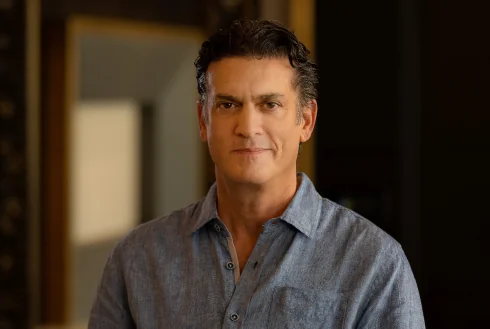
2026 will normalize Google-zero. GEO stops being an experiment and becomes a newsroom standard — the new SEO. High-quality outlets with unique content and deep reporting and analysis will see their generative-search referrals triple, yet still hover in the single digits. Crucially, these visitors will be far more engaged than traditional search users, turning AI referrals into a funnel for subscriptions and memberships — but far from a lifeline. To survive, community-building and other direct audience strategies will become paramount. Meanwhile, commodity content mills — built for the old SEO world — will continue their slide toward extinction. – Harlan Mandel, CEO
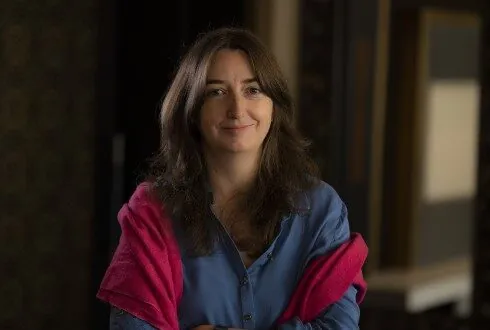
In 2026, the focus will be on trust, both in terms of business model and product. The higher-trust revenue like subscriptions and memberships, B2B or services will be stronger in AI dominated ecosystem. Outlets that deliver trusted products with clear value and relevance for their readers will be the ones rewarded. We will likely also see a consolidation trend as smaller and mid-sized outlets join forces to cope with rising costs, weaker ad demand and unstable platform distribution. – Joanna Różycka-Iwan, Chief Investment Officer
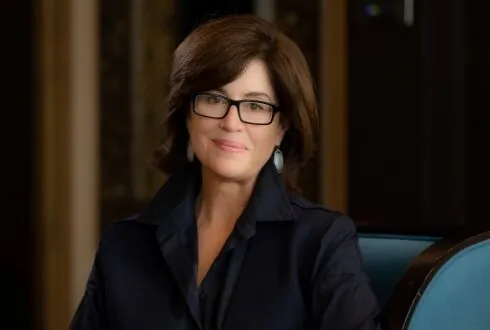
In 2026, the media organizations that stand out will be those that rediscover the power of true connection. As technology floods the world with infinite content, the most meaningful impact will come from outlets that understand their communities deeply and engage them personally — through intimate events, thoughtfully crafted newsletters, and stories made for and with their audiences. In this next chapter, trust, belonging and participation will be the new engines of both mission and sustainability; and scale will be redefined. Success won’t be measured by how many people you reach but by how deeply you resonate with those who choose to listen. – Patricia Torres-Burd, Managing Director, Media Advisory Services
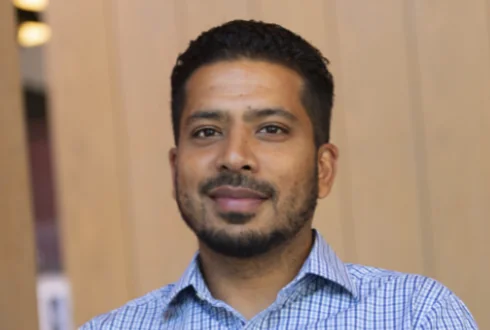
In 2026, independent media will strengthen their business models by mixing subscriptions, ads, memberships, events and more. AI will help them personalize content, improve efficiency and reach audiences more effectively. On the other hand, it will push them to adapt quickly while still striving to protect editorial independence and retaining strong journalistic talent. – Bilal Randeree, Chief Program Officer

In 2026, public interest information (of which independent media is part) will increasingly be recognized as a democratic infrastructure, with the need for new stewardship-based ownership models emerging as a counterweight to both failing commercial media and rising state-aligned information systems. The most significant risk will be hyper-concentrated AI-driven platforms that shape audience behaviour and erode trust, while the key opportunity lies in “small islands of coherence” — mission-driven, community-rooted media and responsible creators who leverage AI to scale impact without sacrificing independence. Media markets will further fragment, but those able to blend public-interest stewardship, diversified revenue and protective alliances will define the resilient information ecosystems of the next decade. – Patrice Schneider, Chief Strategy Officer
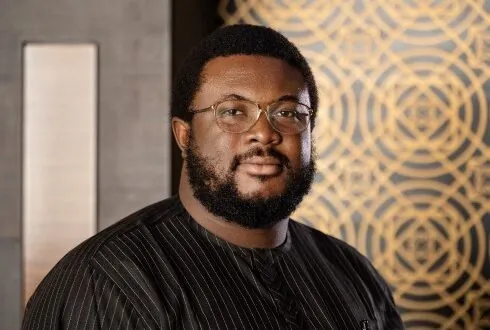
2026 is going to be the year of the creator IP and network. Many journalists and news influencers will launch independently on platforms like Substack, Tiktok and build their models around niches. The monetization model and evolution of the technology platforms will determine the business model and viability of these new hubs of information flow. We will see a notable increase in collaboration between these neo information distributors and established mainstream media brands as the mainstream brands seek leverage to get in touch with the global youth audience. –Deji Adekunle, Program Director, West and East Africa
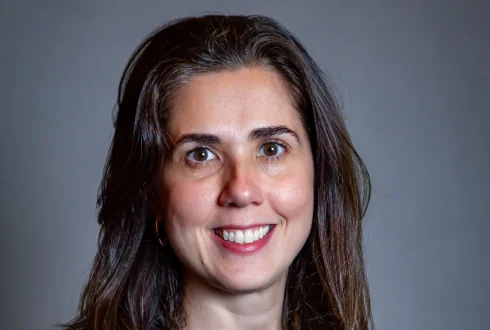
In 2026, the best news products will feel hand tuned for each person, with micro personalization that adapts to your interests, time and location. With permission, AI will quietly translate, summarize and adjust format giving you simple on and off controls. Success will come from small weekly tools people return to because they are useful to them, not from chasing the biggest audience. – Luciana Cardoso, Media Business Advisor, Media Advisory Services
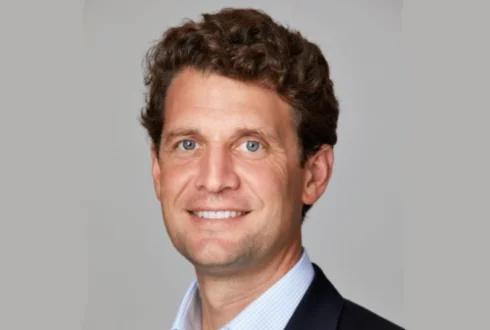
In 2026, the biggest threat to media independence may come not only from autocrats but also from opaque private capital. Independent outlets without mission-aligned investors will increasingly be outcompeted or absorbed. At the same time 2026 will see the maturation of blended finance vehicles and “third way” ownership structures that de-risk investments in public interest media. Strategic philanthropy will play a pivotal role in catalysing concessional capital for new media owning stewardship models, giving hope for tipping the balance away from media capture and toward long-term democratic gains. – Max von Abendroth, Senior Advisor Europe & Germany
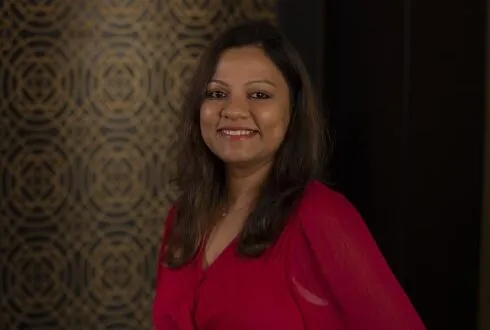
By 2026, India’s media landscape will be shaped by three converging forces: the rapid adoption of large-language-model tools across newsrooms, an accelerating shift toward regional and vernacular digital consumption, and a more interventionist regulatory climate – intensified by the rise of hyperlocal video and creator-led platforms. AI will boost efficiency but raise the stakes on verification and editorial integrity, pushing credible journalism to stand out. A fast-growing creator economy will also push individual creators closer to the role of micro-newsrooms, driving the rise of small collectives that pool AI, monetisation and distribution tools to reduce reliance on major platforms. For mission-driven investors like MDIF, these collectives and regional digital newsrooms present high-impact opportunities to support credible, tech-enabled journalism in a more fragmented and politically sensitive environment. – Pragya Chamria, Investment Officer

In 2026 we might be observing a raising backlash against AI. Not in the newsrooms. Not in media companies. But among audiences. There are already signs that any use of AI in content creation (and many newsrooms try to be transparent about it), even very innocent, minor, technical ones, result in decreasing trust to this content AND the medium. So for significant parts of media audiences any sniff of “AI in news content creation”, whether we like it or not, will simply equal “fake news, disinformation and hate campaigns”. – Marcin Gadziński, Program Director Europe
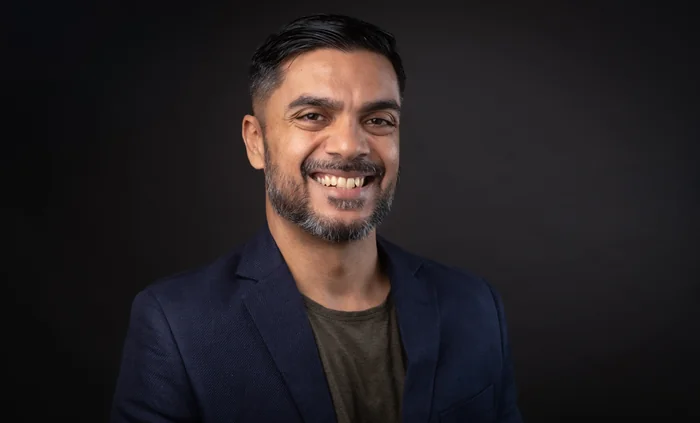
There will be technological filters being built into all interactions. Whether it is the consumption of media, the absorption of information, or connecting with each other, it will be done through AI agents, through algorithms, and in the form of preprocessed data, cutting most people off from the sources of information. We need to plan for these intermediaries. – Andre Howson, Program Director, South Asia
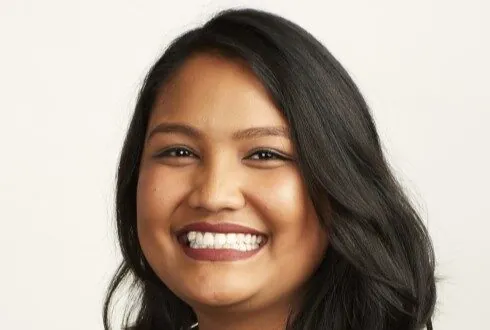
Engaging your community becomes cool again. In 2026, it is my hope that journalists and newsrooms go back to the basics and do what they do best – providing information in service of their audiences. When I started out as a journalist, an editor told me to look around in my neighbourhood and look out for the pain points because that is where you find your story ideas. It is my hope that newsrooms, from large national outlets to small community newsrooms, go back to really engaging their local communities and produce journalism that serves their readers. How do you register to vote? How does this big national corruption story affect me day to day? As journalism faces the challenge of dwindling traffic numbers from AI overview and struggles with finding the right set of revenue streams to achieve sustainability, I believe that returning to our roots and looking around our neighbourhood ensures that we are providing a service that our community needs. – Mayuri Mei Lin, Program Director for Southeast Asia
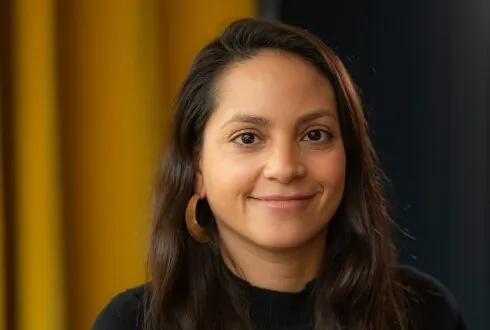
Journalism will become more conversational — but not in the way you might expect. There’s no doubt that AI has made searching for information feel more conversational than ever. But at the same time, we’re seeing something else emerge: a growing fatigue with screens and social media. Generation Z, in particular, is increasingly drawn to a more analog way of living and is far more intentional about protecting their mental health. This shift presents a crucial opportunity for media organizations. It’s time to reconnect with audiences in real life — to talk face-to-face, especially with younger generations. The strongest communities of the future will be built not only online but through genuine, human, in-person connection. – Ana Soffietto, Program Director for Latin America

This article is a part of our special 30th anniversary coverage.