
By Nan Khine May Zin, Senior Digital Specialist, MDIF
When I started working with MDIF’s Myanmar partners in early 2021, the media landscape was already changing fast — and not by choice. Overnight, following the February 2021 military coup, journalists had to move their work, their teams and even their lives online. At the time, MDIF’s Myanmar Media Program (MMP) was working with 32 media. Many of them came from print or broadcast backgrounds, where “digital” was still new territory. Suddenly, going digital became the only way to survive.
Before the coup, partners generally had very limited digital capacity. Their use of online tools was basic — posting on social media, updating websites occasionally, or using messaging apps to coordinate work. Few had experience with analytics dashboards, digital security tools, or online monetization systems. When everything shifted online, the learning curve felt overwhelming. Guiding partners through that transition required patience and repetition, but their willingness to adapt reminded me that transformation is always possible, even in crisis.
My focus at the start was simply helping partners stay connected and safe. Phishing attempts were rampant, accounts were being hijacked and sensitive information could easily end up in the wrong hands. Many teams were sharing passwords through chat apps or using the same login across multiple platforms. I remember one partner telling me, “We’re already running for our lives — now we have to run from hackers too.”
So we began with the basics: password managers, two-factor authentication and safe online communication practices. It sounds simple now, but at that time even those small changes felt like lifelines.
Gradually, I saw teams become more confident in taking control of their digital safety — not just protecting themselves but protecting their entire newsroom.
Treating data as a friend, not an enemy
As the months passed, our conversations began shifting from survival to sustainability. Once partners felt more secure online, they wanted to focus on their audiences — how to rebuild engagement, grow loyal communities and find ways to keep their work financially alive.
That’s when my role evolved into something much more creative. I worked closely with different outlets to analyze audience data, explore social media strategies and introduce new storytelling formats. For many, this was their first time looking at analytics dashboards or thinking about metrics like reach, retention and conversion. At first, the numbers were intimidating; “We’re journalists, not data scientists!” someone laughed during a session. But soon they began to see data as a friend, not an enemy.
In those early months, there was considerable skepticism about whether smaller media outlets — especially those operating in exile and with limited digital experience — could realistically generate meaningful digital revenue. Many assumed that only larger, better-resourced newsrooms would be able to navigate platform algorithms, meet monetization thresholds, or maintain steady online income. But the outcomes we observed told a different story. Through steady coaching, experimentation and a willingness to embrace new digital practices, even small and resource-constrained newsrooms proved that significant digital revenue is achievable. And while digital income will always fluctuate with changing algorithms and platform policies, our experience has shown that when teams have the skills to adapt and diversify, digital revenue can become an important and reliable source of supplemental income during such challenging times.
One outlet’s transformation stays with me. It was a small independent newsroom formed in exile after the coup. Their team embraced a data-driven mindset, checking their insights regularly and adjusting their content decisions with intention. The results were astonishing: since the February 2021 coup, their audience has grown more than 735%, and their digital revenue has increased by over 5,100%. Seeing that transformation — from hesitant experimentation to confident strategy — was incredibly rewarding.
Another memorable experience was with a national media organization that was already producing strong journalism but needed help optimizing its video platforms. I shared detailed feedback on titles, upload timing and content strategy. They applied those suggestions consistently and, over time, their online video revenue has grown by 215% since the coup. It was a quiet but powerful success — proof that even small, consistent improvements can lead to meaningful results.
Collaboration is the most powerful tool
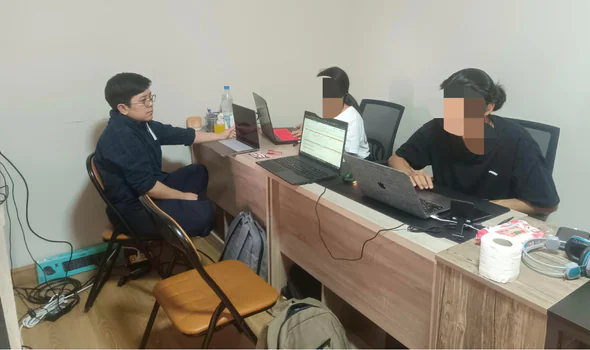
When I look back on this journey, one of the hardest parts wasn’t the technical work, but encouraging partners to take what they learned and implement it actively within their teams. Many would attend training sessions, nod enthusiastically and then struggle to bring those lessons into daily practice. Change takes cooperation — not just knowledge. That’s why seeing teams like the previously mentioned independent online outlet thrive through internal collaboration has been so inspiring. Their success came from working together, sharing ideas and committing as a team to experiment and improve.
On the revenue side, the digital shift also brought new opportunities, though not without frustration. Before the coup, some partners used Facebook Instant Articles for monetization. Later, from 2022-2025, we explored In-Stream Ads and other Facebook content monetization programs. I also helped partners navigate YouTube monetization. Some who initially didn’t meet the criteria subsequently managed to qualify after their audiences grew dramatically in exile. One partner proudly told me, “We finally made it to four digits this month!” It wasn’t just about the number — it symbolized resilience, creativity and the power of adaptation.
Each partner’s story is different, but what connects them all is their determination. Even while scattered across different countries and time zones, they continue to tell stories that matter, finding new ways to reach their communities. I’ve been privileged to witness this digital transformation up close, not as a top-down process but as a shared learning journey.
Personally, this work has changed me too. I’ve learned that transformation doesn’t happen because of one big breakthrough — it happens through small, steady steps. I’ve also realized that digital growth isn’t only about algorithms or platforms; it’s about people — their trust, their creativity and their willingness to keep learning, even when everything around them feels uncertain.
Today, as I continue working with MDIF’s Myanmar media partners, I see a new generation of digital leaders emerging — journalists who are not just surviving but innovating. They’re building communities online, experimenting with storytelling formats and turning digital tools into engines of sustainability.
The challenges remain immense, but so does the potential. Each year brings new obstacles — new algorithms, new risks, new platforms to master — yet the spirit of Myanmar’s independent media remains strong. My hope for the next chapter is that these outlets will not only sustain themselves digitally but also help each other grow, forming a network of collaboration and shared resilience.
If the past four years have taught me anything, it’s that no one faces the digital storm alone. We learn together, we adapt together and we move forward together — one click, one story, one secure login at a time.
This essay is part of a series highlighting the journeys of independent media organizations supported through MDIF’s media business capacity-building program across South and Southeast Asia, as they experiment with business models, strengthen resilience and adapt to challenging environments. Together, these stories contribute to a broader exploration of sustainability and innovation in independent media, which will be compiled into a full report following the release of the series.